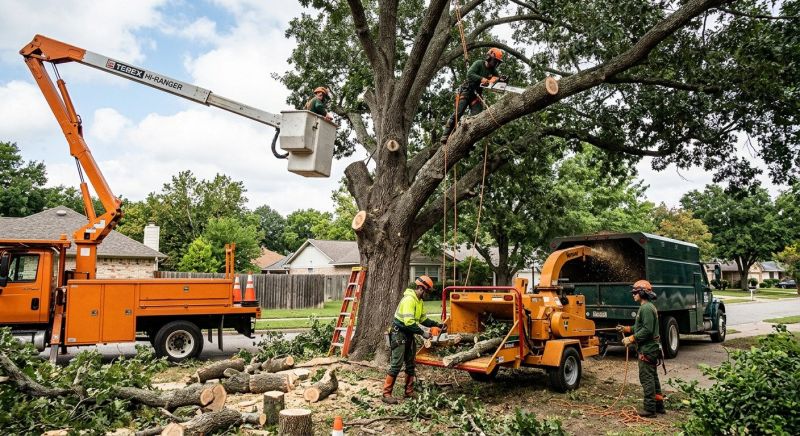
Cherry Tree Removal in Allentown, PA
Cherry tree removal services involve the safe and efficient removal of cherry trees from residential properties. This process is often requested when a tree has become diseased, damaged, or poses a risk to nearby structures or power lines. Projects can range from removing a single tree to clearing multiple trees in preparation for construction or landscaping. Property owners typically want to understand the scope of the removal, potential impacts on their landscape, and any necessary permits or precautions before proceeding with the work.
Before requesting cherry tree removal, homeowners should consider the size and location of the tree, as well as any potential obstacles such as nearby buildings, fences, or utility lines. It’s also helpful to understand the reasons for removal, whether due to health concerns, safety issues, or aesthetic preferences. Proper planning ensures the removal process is handled safely and efficiently, minimizing disruption to the property and surrounding area.
Many property owners in Allentown, PA look into Cherry Tree Removal for repairs, replacements, upgrades, and appearance-related improvements.
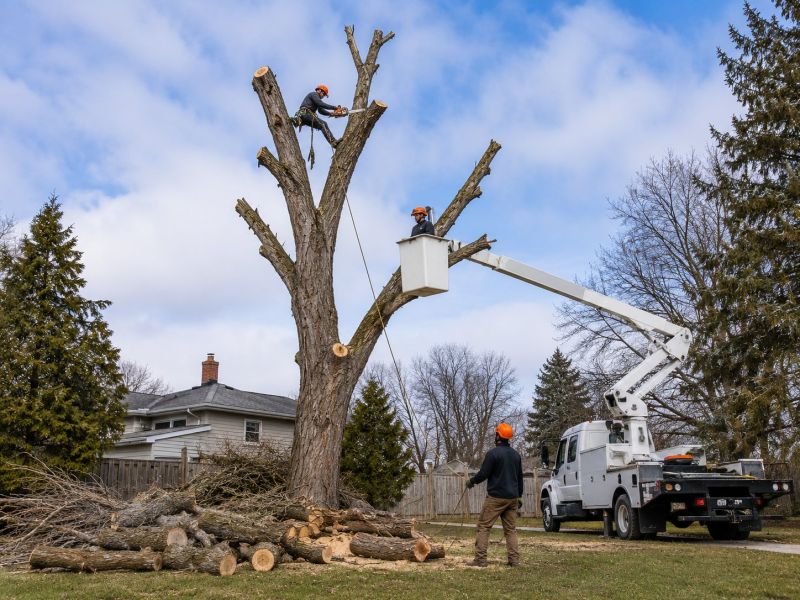
Reasons To Remove Cherry Trees
Removing overgrown or damaged cherry trees can improve property safety and aesthetics.
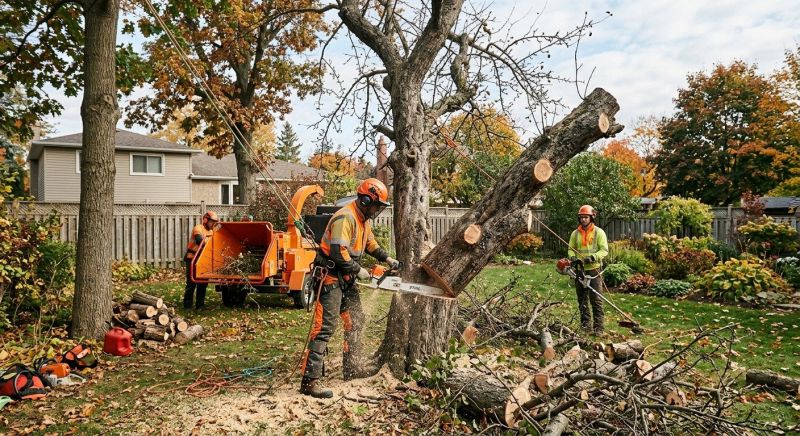
Cherry Tree Removal Process
The removal involves safely cutting and disposing of the tree to prevent damage to surrounding areas.
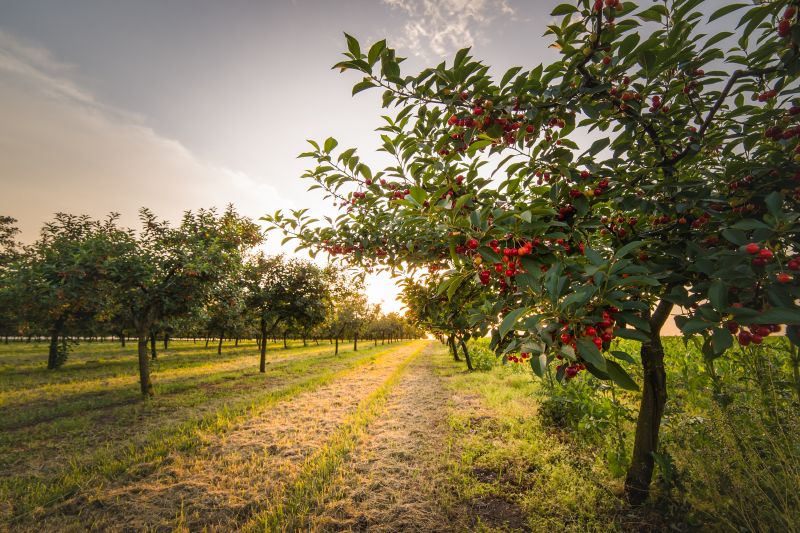
Aftercare And Cleanup
Proper cleanup ensures your landscape remains attractive and ready for future planting or development.
Cherry Tree Removal in Allentown, PA
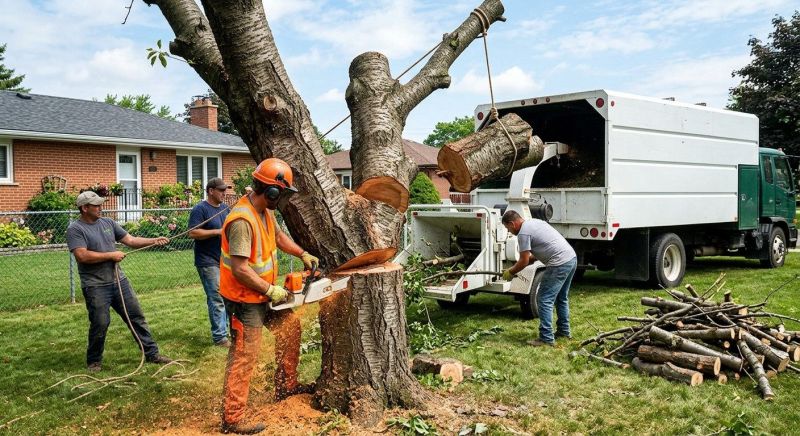
Cherry tree removal services involve the safe and efficient removal of cherry trees from residential properties. This process is often requested when a tree has become diseased, damaged, or poses a risk to nearby structures or power lines. Projects can range from removing a single tree to clearing multiple trees in preparation for construction or landscaping. Property owners typically want to understand the scope of the removal, potential impacts on their landscape, and any necessary permits or precautions before proceeding with the work.
Before requesting cherry tree removal, homeowners should consider the size and location of the tree, as well as any potential obstacles such as nearby buildings, fences, or utility lines. It’s also helpful to understand the reasons for removal, whether due to health concerns, safety issues, or aesthetic preferences. Proper planning ensures the removal process is handled safely and efficiently, minimizing disruption to the property and surrounding area.
Many property owners in Allentown, PA look into Cherry Tree Removal for repairs, replacements, upgrades, and appearance-related improvements.
Common Cherry Tree Removal Jobs
Cherry Tree Removal - safely removes unwanted cherry trees to improve landscape appearance.
Stump Grinding - eliminates remaining stumps to prevent regrowth and hazards.
Tree Pruning - trims cherry trees to promote healthy growth and maintain shape.
Emergency Tree Removal - handles urgent situations involving damaged or unstable trees.
Land Clearing - clears large areas of cherry trees for construction or landscaping projects.
Root Removal - extracts invasive roots that may interfere with structures or underground utilities.
Cherry Tree Removal Questions
What is involved in cherry tree removal? The process typically includes cutting the tree down safely and removing the remaining stump and roots if needed.
Why remove a cherry tree? Removal may be necessary due to disease, damage, overgrowth, or to clear space for other landscaping projects.
Is stump grinding part of cherry tree removal? Yes, stump grinding is often included to eliminate the remaining root structure and prevent regrowth.
What should property owners consider before removing a cherry tree? Consider the tree’s location, size, and potential impact on nearby structures or landscaping plans.
Request Cherry Tree Removal in Allentown, PA
Use the quote form on this page to share the basics of your project and request more information for the type of work you need.